
Offering Flexible Payment Plans
Direct Billing With Insurance Providers*
Find a dental clinic near you
HealthOne Harbourfront
Address
110 Harbour St. Suite 301
Toronto, M5J 0B7
Phone
Fax
416 613 8579
Hours of Operation
| Monday |
|---|
|
Tuesday |
|
Wednesday |
|
Thursday |
|
Friday |
|
Saturday |
|
Sunday |
| 9:00 AM to 8:00 PM |
|---|
|
9:00 AM to 7:00 PM |
|
9:00 AM to 8:00 PM |
|
9:00 AM to 7:00 PM |
|
9:00 AM to 6:00 PM |
|
10:00 AM to 3:00 PM |
|
Closed |
Our Reviews
4.8/5
based on 488 Google Reviews
García Péan
August 11th 2022
I have been going to this location for quite some time and the service has always been great. I would recommend my friends and family members to go there.
Jaskaran Singh
April 20th 2022
You cannot go wrong with HealthOne dental. Dr. Vakilian and her team are super friendly and explain everything in detail. I have been going to HealthOne for over 2 years now and its always a comfortable visit. You'll be in good hands!
Kira Bauer
April 11th 2022
This dental office is the ONE!✨ Dr. Vakilian and her team have such a compassionate approach to their practice. They are highly educated and well-rounded in their expertise, and really take the extra time to listen to their clients and make them feel safe and cared for. I felt like I was an active participant in my experience, not just a victim of what has the potential to be an unpleasant service. As someone with a lot of past trauma from dental work as a kid, they renewed my faith in dental care. Highly recommend!
Why Choose HealthOne for Wisdom teeth removal?
- Skilled dentists who can remove wisdom teeth quickly
- Use of local anesthesia to minimize pain and discomfort
- Detailed post-care instructions and follow-up appointments
- Ongoing access to our clinic staff following your procedure
Canadian Dental Care Plan (CDCP)
HealthOne Dental Harbourfront accepts the Canadian Dental Care Plan (CDCP).
Our dental clinic welcomes patients using the Canadian Canadian Dental Care Plan (CDCP). This federally funded program helps cover dental treatments for eligible Canadians. As of May
2025, the program has expanded to include more individuals. Tell our Dental team know before your appointment if you’d like you use your CDCP coverage.
*Must meet eligibility criteria. Coverage limits may apply.
-
Examples of services that may be covered:
- Exams and cleanings
- Cavity repair and fillings
- Root canals and extractions
- Crowns and implants
Explore Our Dental Services
-
HealthOne Harbourfront
Our Service List
Wisdom Teeth Removal Toronto
What are Wisdom Teeth?
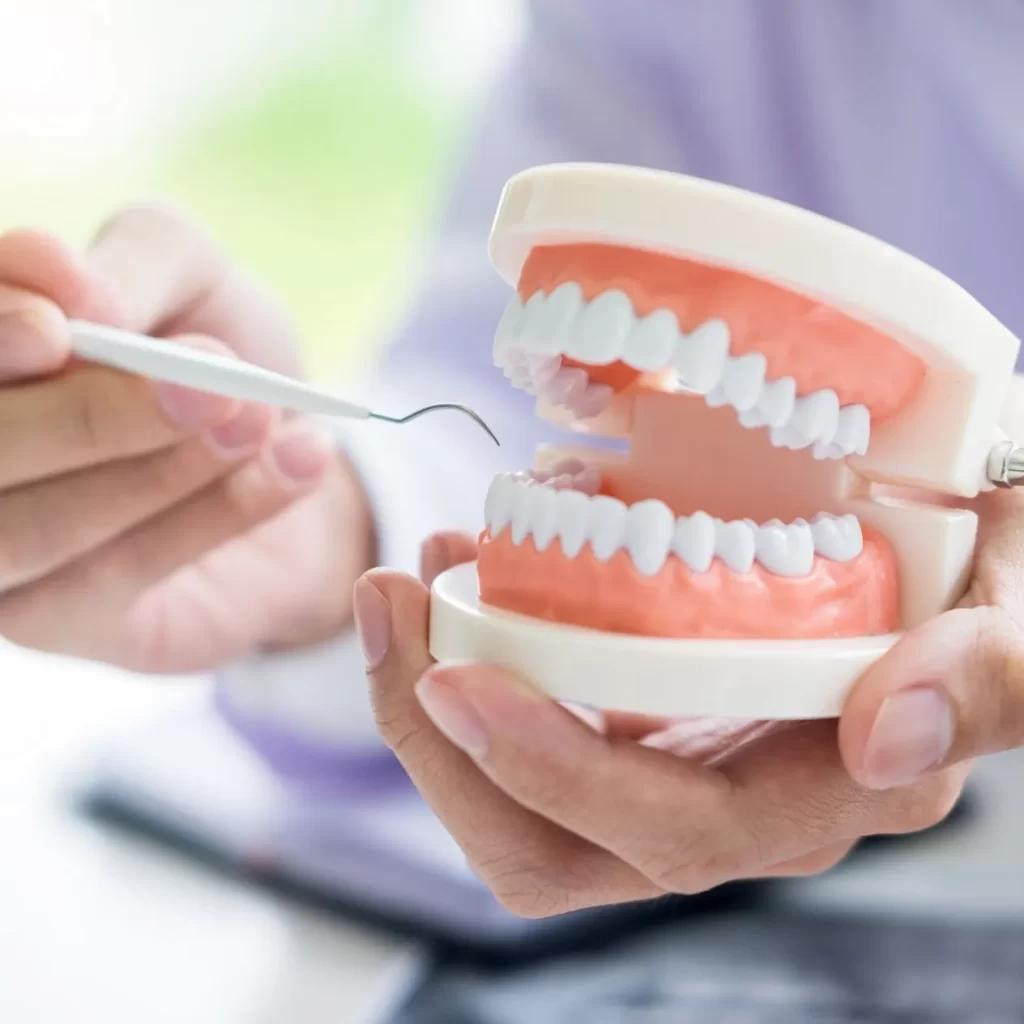
As we age, we develop two sets of teeth: our primary teeth and our permanent teeth. Primary teeth, also known as baby teeth, erupt around the 6-month age. Most people begin to lose these baby teeth and grow their permanent adult teeth at the age of 5. This includes 32 teeth in total: 8 incisors, 4 canines/cuspids, 8 premolars, and 12 molars. Molars are different than our other teeth because they are larger, stronger, and flatter. Their primary use is to grind and break down food to prepare it for digestion. This includes wisdom teeth, which are the third set of molars at the back of the mouth. They typically grow in between the ages of 18-21.
Sometimes, there is enough room for wisdom teeth to grow in properly so there is no need to surgically remove them. However, many people need to have one or all of their wisdom teeth removed due to overcrowding, infections, or difficulty maintaining oral hygiene. Some people never develop wisdom teeth, although the reasons for this remain unknown.
Why Do We Have Wisdom Teeth?
Our ancestors used their wisdom teeth to break down raw food so they could digest it properly. They also had larger jaws that could easily accommodate this extra set of molars. Nowadays, human beings have evolved to have smaller jaws that are often unable to comfortably accommodate wisdom teeth growing in. We also cook our food and use utensils, which means we no longer require the functionality of extra molars in our mouth. Simply put, this means that we have evolved to still have wisdom teeth, but don’t necessarily rely on them the way our ancestors did.
People are usually in their late teens to early adult years when their wisdom teeth grow in. Since we grow and lose our baby teeth at a young age, and our wisdom teeth are the last to show up, it’s believed that you are “wiser” when you get them.
How Frequently Do People Get Wisdom Teeth?
Did you know that when you’re born, all of the teeth you’ll ever have are already present in your skull? They erupt in different stages, then fall out to make room for new teeth. The first stage is when your 20 baby teeth erupt, which are then replaced by 32 permanent teeth. This includes your four wisdom teeth, which are located at the very back of your mouth.
Because of the way humans have evolved, not everyone will have all of their wisdom teeth grow in. Some people may only have one wisdom teeth erupt. Others may have none. Just because you can’t see your wisdom teeth, though, doesn’t mean you don’t have them. They can exist underneath your gums but never break through the surface. A dentist can perform an x-ray to confirm whether or not you have wisdom teeth and determine if they could cause any complications. In many cases, a dentist will recommend a wisdom teeth removal procedure to reduce the likelihood of any oral health complications.
Why are Wisdom Teeth Removed?
Every person’s situation is unique in terms of whether or not they require wisdom teeth removal. These are the most
- Common scenarios in which wisdom teeth would be removed:
- Wisdom teeth trapped underneath the gums. In this scenario, the wisdom teeth do not have enough room to erupt in the back of the mouth and remain trapped underneath the gum’s surface. This is a problem because it can create an infection, abscess, or cyst.
- Impacted wisdom teeth. When there is not enough room for the wisdom teeth to grow in, they can push against the other molars in the back of the mouth. An impacted wisdom tooth can happen underneath the gums, or be partially erupted, meaning part of the tooth is visible above the gums. This can cause painful, swollen, infected flaps of skin at the site of the tooth or overcrowding of the other teeth in the mouth, which is why impacted wisdom teeth removal is so important.
- Fully erupted wisdom teeth. Sometimes, wisdom teeth can erupt completely through the gum’s surface but still cause complications. People may have difficulty keeping the area clean, which can lead to cavities or gum disease later on in life
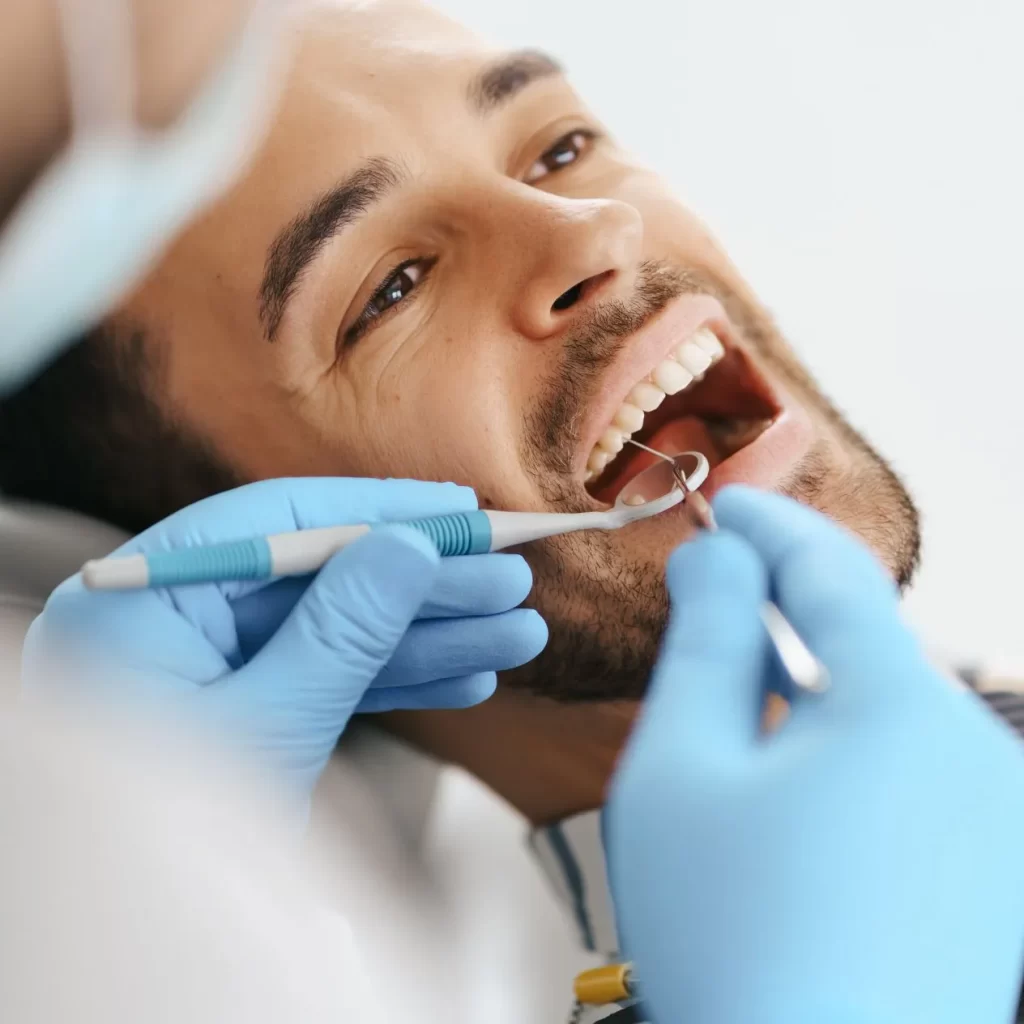
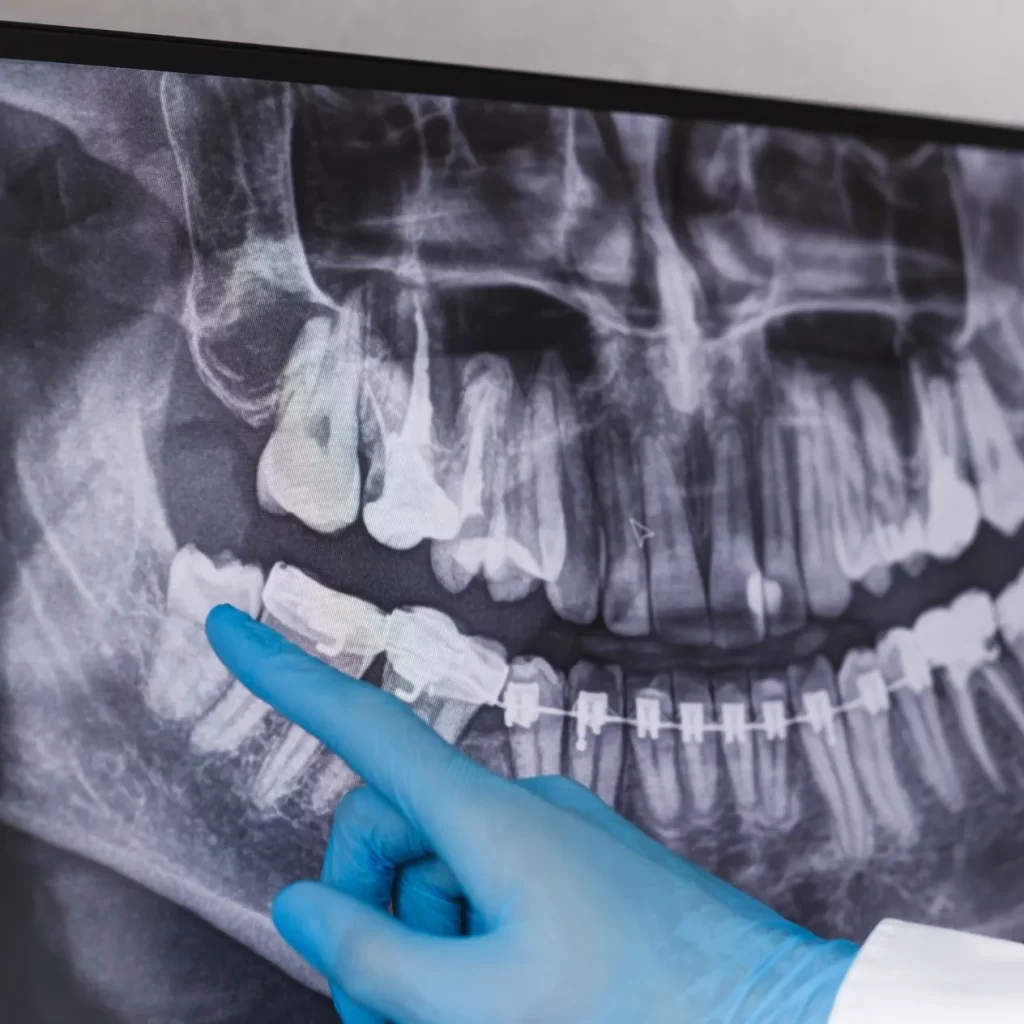
A dentist can evaluate how your wisdom teeth are growing in using an x-ray. It is easier to remove wisdom teeth earlier on in life, before the roots and bones around the teeth become harder and fully formed. Early extraction can help avoid infections and more serious oral health problems from developing later into adulthood.

What are the Signs of Needing Wisdom Teeth Removal?
A wisdom teeth removal dentist can use an x-ray to evaluate how your wisdom teeth are growing in and any potential complications that could arise.
There are also signs you should look out for that may indicate you should have your wisdom teeth removed. One of the most common signs is pain in the back of your mouth, teeth, or jawbone. Whether mild or severe, discomfort in the mouth is a sign that your wisdom teeth should be looked at by a professional.
Another sign that you might need wisdom teeth removal is if you experience inflammation. This can occur whether your teeth are partially or fully erupted. Oftentimes, an erupted wisdom tooth will create flaps of skin in the gums that are likely to attract bacteria and cause an infection. Whether the inflammation is visible or you simply feel the swelling in your mouth, it should always be examined by a dentist.
Pain and inflammation are two of the most common signs of needing wisdom teeth removal. There are other signs that are less common, but still possible, including:
- Signs of Needing Wisdom Teeth Removal
- Pain
- Inflammation
- Bad Breath or a Foul Taste in your Mouth
- Jaw Stiffness
- Sinus Issues
- Cysts
Wisdom Teeth Removal Pain
Before a wisdom teeth removal procedure, your dentist will use a topical numbing product and a local anesthetic to numb your mouth. This means your removal should be completely painless. The day of the procedure, you can expect to feel some pain which can be reduced by taking pain relief medication. Our clinic will normally prescribe one for you to reduce any discomfort while you heal. You should expect to feel some discomfort during the week after your extraction, which again can be minimized by using medication. This is also dependent on how many teeth you have removed – someone who has four teeth extracted may experience more discomfort than someone who only had one.

What are the Benefits of Wisdom Teeth Removal?
Having your wisdom teeth removed can help you avoid a variety of different oral health issues.
Since we have evolved to no longer require a third set of molars, most adults benefit from having one or all of their existing wisdom teeth extracted by a dentist. The main benefits of wisdom teeth removal include:
- Benefits of Wisdom Teeth Removal
- Less pain and inflammation
- Lower risk of developing an infection
- Reduced chance of developing an oral health issue
- Lower chance of tooth damage and decay
- Avoid overcrowding and shifting teeth
- Improved ease in maintaining oral hygiene
Is Wisdom Teeth Removal Safe?
Wisdom teeth removal will be a simple, straightforward experience if you visit an experienced dentist. It is one of the most common dental procedures performed worldwide and is absolutely safe when performed under the care of a professional. Your mouth will be frozen during the entire procedure, so you are comfortable throughout. Your dentist will also use professional equipment, such as stitches and gauze, to help the treated site recover quickly and safely. If you have any concerns about the process of your wisdom teeth removal or the safety of your procedure, you can always ask your dentist.
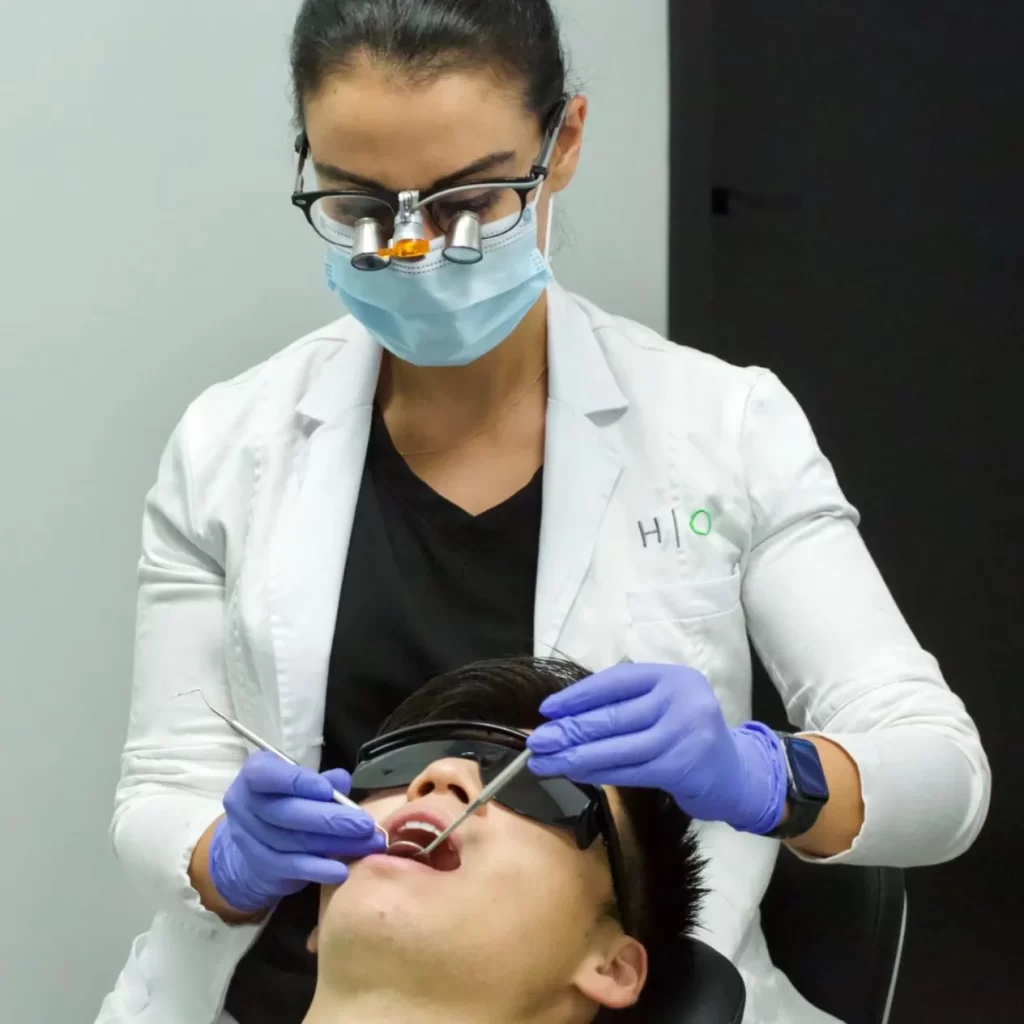

What Happens During Wisdom Teeth Removal?
Before a wisdom teeth removal appointment, your dentist will need to determine your need for extraction. This can be done during a comprehensive dental examination, where we will take an x-ray of your mouth to get a complete look at how your teeth are growing in. Only after an exam will we be able to schedule your wisdom teeth removal appointment.
Steps for Wisdom Teeth Removal
| Step 1 | When you arrive for your appointment, our dentist will explain the entire procedure to you. They will answer any questions you have and let you know what to expect. |
| Step 2 | The dentist will apply a topical numbing product to the areas being treated, as well as a local anesthetic. You will still be awake, but your mouth will be frozen. |
| Step 3 | The dentist will perform your wisdom tooth extraction, which can take anywhere from 20 minutes to 1 hour depending on how many teeth are being removed. |
| Step 4 | Patients are normally sent home with a prescription for pain relieving medication. You can expect to feel some pain the day of the surgery, and some discomfort during the first week. |
| Step 5 | You will be booked for a one-week post-operation check in to ensure the site of the extraction is healing well. |
Wisdom Teeth Removal Recovery
It’s important to follow the instructions from your dentist while recovering from wisdom teeth removal.
This ensures that no infections or complications will develop, and ultimately keeps you as comfortable as possible while you recover. Here are the main post-operation care instructions we share with our patients:
- Benefits of Wisdom Teeth Removal
- Bite on gauze for half an hour. Avoid touching the operative site with your tongue or fingers.
- Avoid rinsing your mouth for 8 hours and avoid using a straw.
- The day after surgery, you can do a salt water rinse (½ teaspoon of salt with 1 cup of warm water) if no bleeding is present. We recommend salt water rinses after eating.
- Take prescribed medications as recommended by your dentist.
- Light streaks of blood in your saliva are to be expected for one day. Afterwards, if bleeding continues, firmly apply gauze using steady pressure for 20+ minutes as needed.
- Swelling is to be expected for the first few days. Apply an ice pack to relieve discomfort as needed.
- Drink cold or lukewarm liquids for the first 4-6 hours. Afterwards, stick to soft foods.

Wisdom Teeth Removal Cost?
How much is wisdom teeth removal? At HealthOne, the cost of wisdom teeth removal depends on your unique case and how many teeth need to be removed. During a dental examination, your dentist can give you a quote on pricing and discuss payment plan options available at our clinic.
If you are wondering, “is wisdom teeth removal covered by OHIP?”, our Patient Care Coordinator can provide you with an extended health care insurance breakdown.

Frequently Asked Questions
Does everyone need to have their wisdom teeth removed?
No. Wisdom teeth do not automatically need to be removed simply because they are present. A dentist may recommend extraction when a wisdom tooth is causing pain, recurrent infection, decay, gum disease, damage to a neighbouring tooth, a cyst or another clinical problem. Wisdom teeth that are healthy, functional and easy to clean may sometimes be monitored with examinations and appropriate imaging.
What are the signs that a wisdom tooth may need treatment?
Symptoms can include pain or pressure at the back of the mouth, swollen or bleeding gums, difficulty opening the mouth, bad taste, bad breath or recurrent inflammation around a partly erupted tooth. Because some impacted wisdom teeth cause no immediate symptoms, a dental examination and X-ray may still be needed to identify decay, infection or damage to a nearby tooth.
Do I need a referral for wisdom teeth removal at HealthOne Toronto?
You generally do not need a referral to book a wisdom-tooth assessment at HealthOne Dental Harbourfront. The dentist will examine your mouth and review appropriate imaging before recommending treatment. If the extraction requires care beyond the clinic’s available scope, equipment or sedation options, HealthOne may refer you to an oral and maxillofacial surgeon.
What happens during a wisdom-teeth consultation?
The dentist will review your symptoms, medical history, medications, allergies and previous experiences with dental treatment. They will examine your mouth and normally use appropriate dental imaging to assess the tooth position, roots, surrounding bone, nearby teeth, nerves and sinuses. The dentist should then explain whether removal or monitoring is recommended, available anaesthesia or sedation, material risks, recovery and expected fees.
Can HealthOne remove impacted wisdom teeth?
HealthOne can assess erupted, partly erupted and impacted wisdom teeth. Whether the extraction can be completed at the Harbourfront clinic depends on the tooth’s position, root anatomy, proximity to nerves or sinuses, your medical needs, procedural complexity and the clinic’s current provider and sedation capabilities. More complex cases may be referred to an oral and maxillofacial surgeon.
Does wisdom teeth removal hurt?
Local anaesthesia is used to numb the treatment area and is intended to prevent sharp pain during the extraction, although you may still feel pressure or movement. Pain, swelling, bruising and jaw stiffness can occur after the anaesthetic wears off. Your dentist will provide an individualized pain-management and aftercare plan based on your procedure and health history.
What anaesthesia or sedation does HealthOne offer for wisdom teeth removal?
The page currently confirms the use of local anaesthesia but does not clearly identify any sedation services. Ask HealthOne whether local anaesthesia alone, nitrous oxide, oral sedation or another option is available for your procedure. Sedation suitability depends on your health, anxiety, procedure and an appropriate assessment, and may involve separate preparation, escort and fee requirements.
How much does wisdom teeth removal cost in Toronto?
The cost depends on how many teeth are removed, whether each extraction is simple or surgical, the complexity of the tooth position and whether imaging, sedation, medication or follow-up care is required. After examining you, HealthOne should provide a written estimate showing the expected fees and any amounts not covered by your dental plan.
Is wisdom teeth removal covered by OHIP, dental insurance or the CDCP?
Routine wisdom-teeth removal in a dental office is generally not covered by OHIP. Private dental plans may cover part of an eligible extraction, subject to deductibles, annual maximums, plan limitations and any required predetermination. The Canadian Dental Care Plan may cover eligible tooth-removal and related services, but coverage criteria, copayments and preauthorization requirements can apply. Ask HealthOne to check your plan and provide an estimate before treatment.
How should I prepare for wisdom teeth removal?
Follow the instructions provided for your specific anaesthesia or sedation plan. Tell the dentist about your medical conditions, allergies, pregnancy status, medications, supplements and previous anaesthesia problems. Ask whether you should eat or drink beforehand, adjust any medication, arrange an adult escort or avoid driving, working or making important decisions after the appointment. Do not stop prescribed medication unless an appropriate healthcare professional instructs you to do so.
How long does recovery take after wisdom teeth removal?
Early pain and swelling commonly occur during the first few days and should gradually improve. Many patients return to light activities within several days, but recovery varies with the number and complexity of extractions, the anaesthesia used, individual healing and the physical demands of work or school. Follow your dentist’s advice about exercise, work, driving and follow-up care.
What can I eat after wisdom teeth removal?
Start with cool or lukewarm liquids and soft foods as directed by your dentist. Avoid foods that are hard, sharp, very hot or likely to lodge in the extraction site. Do not use a straw during the early healing period because suction may disturb the protective blood clot. Return gradually to your normal diet as comfort and healing allow.
What is dry socket, and how can I reduce the risk?
Dry socket is a painful complication that can occur when the blood clot protecting the extraction site is lost or breaks down before healing progresses. Follow the dentist’s instructions about rinsing and cleaning, avoid smoking or vaping during healing, do not use straws and avoid disturbing the socket with your tongue, fingers or objects. Contact the clinic if pain becomes severe or increases after initially improving.
When should I contact a dentist after wisdom teeth removal?
Contact HealthOne promptly if bleeding does not settle with the instructed pressure, pain or swelling is worsening rather than improving, or you develop fever, pus, a persistent foul taste, difficulty swallowing, prolonged numbness or another unexpected symptom. Seek emergency medical care for difficulty breathing, rapidly increasing facial or neck swelling, uncontrolled bleeding or another serious medical emergency.
Blog Articles
5 Surprising Facts About Wisdom Teeth: Do We Really Need Them?
Do you really need your wisdom teeth, or should you have them removed? We got the answers from our very own Dentist.

Is it Time for Wisdom Teeth Removal? 3 Signs to Look Out For
Many adults still have their wisdom teeth, but how do you know if it’s time to get them removed? We sat down with our dentist to learn the signs.
Wisdom Teeth Removal: What to Expect Before, During and After
Did your dentist say you need wisdom teeth removal? We covered the facts you need to know about the procedure, how to prepare and what to expect during recovery.